MEET YOUR THERAPIST

Welcome, I am Aaron Baxter.
I provide a practical, solution-oriented approach to mental well-being and personal growth. By blending strategic psychotherapy with Neo-Ericksonian hypnotherapy, I help clients disrupt stuck patterns and create rapid, real-world change.
My Philosophy
I believe therapy should empower your present, not trap you in your past. My training at The Institute of Applied Psychology (IAP) emphasized a clear directive: stop analyzing problems endlessly, and start changing the unconscious processes that keep them alive.
What to Expect in Our Sessions
We focus exclusively on your current experiences. Together, we pull back the curtain on your habits to map out:
The Triggers: How your internal patterns activate.
The Mechanics: What keeps those patterns running automatically.
The Update: How to rewrite those responses at a subconscious level.
A Look Inside Modern Mind Therapy
Take a look inside the space where therapy takes place and get a feel for the calm, comfortable environment at Modern Mind Therapy.
Let’s dive deeper
Hypnotherapy works by accessing the part of the mind where habits, emotional reactions and patterns are formed.
Did you know most people don’t consciously choose their reactions, habits or emotional responses?
While many clients are aware that something keeps repeating, they don’t yet see how or why the pattern runs.
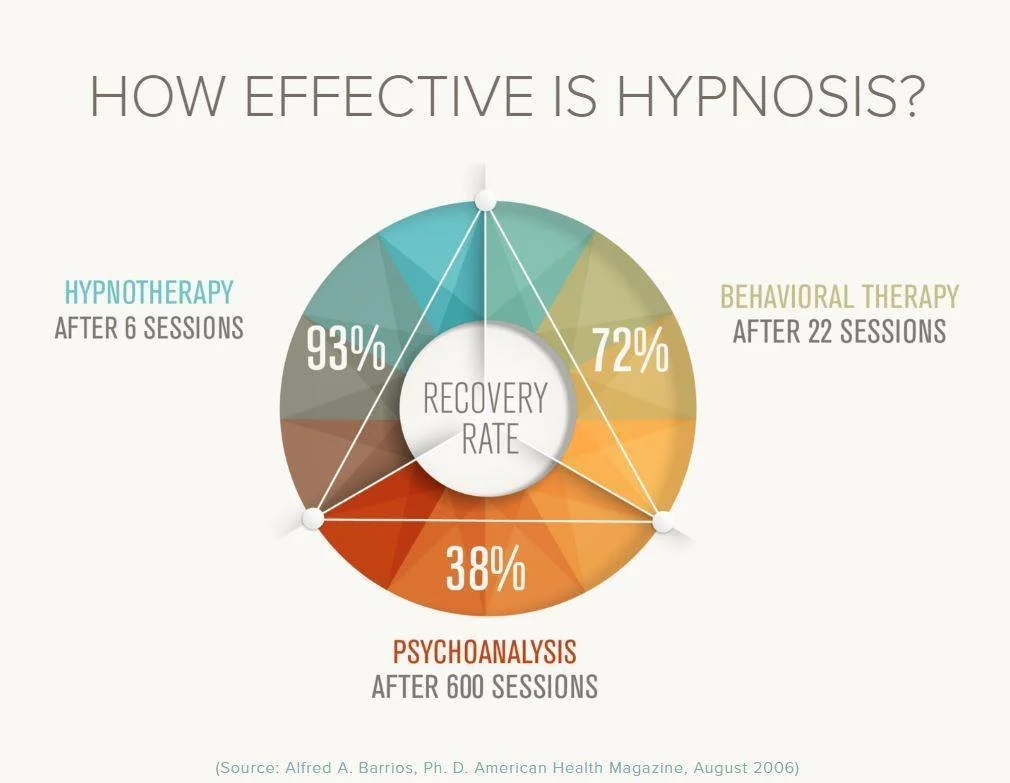
How will hypnotherapy work for me?
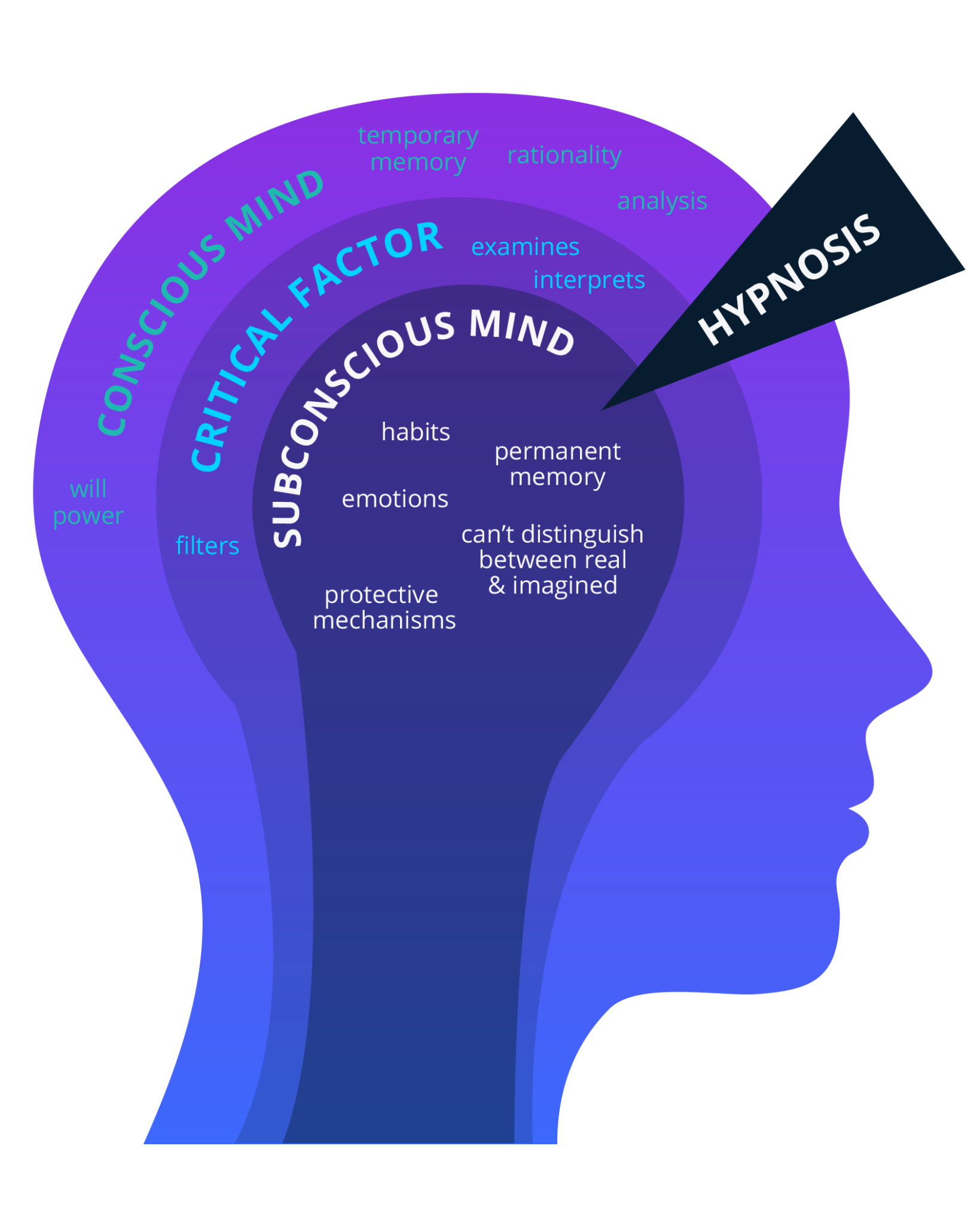
Through hypnosis, the conscious mind settles, allowing access to the automatic response that drives anxiety, stress, habits and emotional reactions.
Through strategic psychotherapy, we identify how the pattern is being maintained in the present and gently interrupt it.
Once the pattern is clearly seen, new responses can be installed and reinforced, not by forcing change, but by updating what the subconscious is running.
Together, this approach helps you:
Recognise patterns as they arise
Step out of automatic emotional reactions
Break repetitive thinking and behavioural loops
Respond differently without effort or suppression.